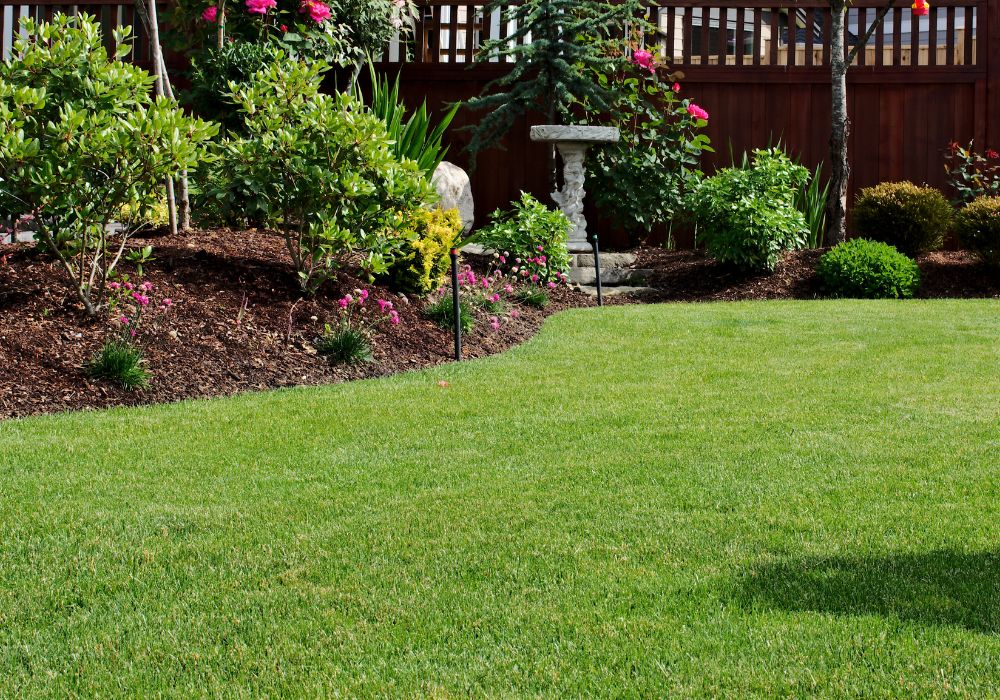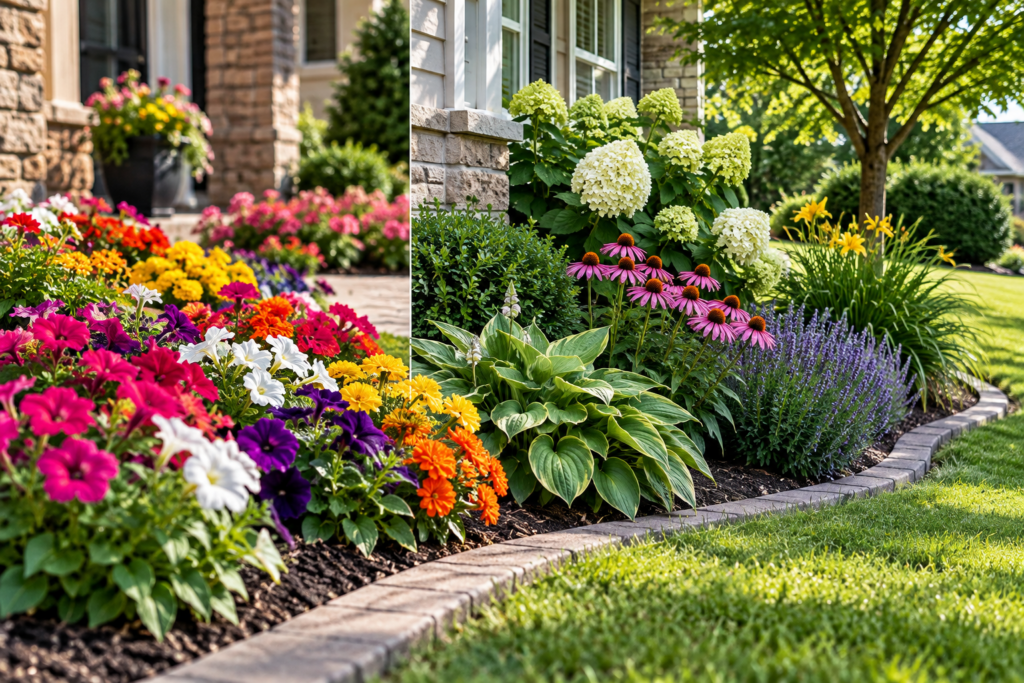

A well-maintained lawn does more than improve curb appeal; it contributes to the overall health of your outdoor space and can even increase property value. While many homeowners handle basic mowing and watering themselves, professional lawn maintenance is important for keeping your yard in optimal condition year-round.
One of the most common questions homeowners ask is how often professional lawn care services are actually needed. The answer depends on several factors, including your grass type, local climate, soil conditions, and the overall condition of your lawn. Keeping these variables in mind can guide you toward the right maintenance schedule for your property.
Why Professional Lawn Maintenance Matters
Routine care involves more than just keeping grass trimmed. Professional services typically include fertilization, aeration, weed control, seasonal cleanups, and overall lawn health assessments. These services are designed to address issues that may not be visible on the surface but can significantly impact long-term growth.
Choosing a professional service like BLS Pro Landscaping ensures your lawn receives ongoing, tailored care tailored to its individual condition and needs.
General Maintenance Frequency
For most residential lawns, professional maintenance is recommended weekly or biweekly during the growing season. This allows for regular mowing, trimming, and monitoring of health.
In addition to routine visits, other services are scheduled less frequently but are still essential:
- Fertilization: 2–4 times per year, depending on grass type
- Aeration: once per year for most lawns, sometimes twice for high-traffic areas
- Overseeding: typically once per year for cool-season grasses
- Seasonal cleanups: spring and fall
BLS Pro Landscaping often customizes maintenance schedules based on each client’s lawn condition, ensuring the right balance between frequency and effectiveness.
Factors That Influence Maintenance Frequency
Not every lawn requires the same level of care. Several factors determine how often professional maintenance should be performed:
Grass Type:
Cool-season and warm-season grasses follow distinct seasonal patterns. Cool-season grasses may require more attention during spring and fall, while warm-season varieties peak in the summer.
Climate and Weather:
Regions with heavy rainfall may require more frequent mowing and drainage monitoring, while drier climates may need irrigation support and soil care.
Soil Conditions:
Compacted or nutrient-deficient soil may require more frequent aeration and fertilization to maintain healthy growth.
Usage and Foot Traffic:
Lawns that experience heavy use, such as those with pets, children, or frequent gatherings, may need more regular maintenance to stay in good condition.
A professional assessment from a company like BLS Pro Landscaping can help identify these factors and create a tailored maintenance plan.
Seasonal Care Considerations
Lawn maintenance needs often change with the seasons:
Spring:
This is a time for recovery and growth. Professional services may include fertilization, aeration, and weed control to prepare the lawn for the growing season.
Summer:
During hotter months, maintenance focuses on proper mowing height, irrigation management, and monitoring for heat stress or pests.
Fall:
Fall is one of the most important times for lawn care. Aeration, overseeding, and fertilization help strengthen roots before winter.
Winter:
While grass growth slows, occasional maintenance such as debris removal and planning for the upcoming season can still be beneficial.
BLS Pro Landscaping often adjusts service frequency throughout the year to align with these seasonal changes, ensuring it remain healthy year-round.
Signs Your Lawn Needs More Frequent Maintenance
Even with a general schedule in place, your lawn may still need more attention. These include:
- Uneven or patchy grass growth
- Persistent weeds
- Soil compaction or poor drainage
- Discoloration or thinning areas
- Slower recovery after mowing or foot traffic
When these problems appear, increasing professional maintenance can help bring your lawn back into balance and support healthier growth.
Benefits of Consistent Professional Maintenance
Sticking to a regular maintenance schedule offers several advantages:
- Healthier, thicker grass growth
- Reduced weed and pest problems
- Improved soil structure and nutrient absorption
- Better resilience against weather conditions
- Enhanced curb appeal and property value
Consistent care also allows professionals to catch small issues early before they develop into larger, more expensive problems.
Final Thoughts
The ideal frequency of professional maintenance depends on your lawn’s specific needs. Still, most properties benefit from weekly or biweekly care during peak growing seasons, along with scheduled seasonal treatments throughout the year. Elements like grass type, soil condition, and environmental exposure all influence the best approach.
Working alongside experts such as BLS Pro Landscaping simplifies developing and sticking to a tailored care plan. Their expertise enables them to evaluate your property and recommend a maintenance schedule that keeps your lawn healthy, attractive, and well-maintained throughout the year.