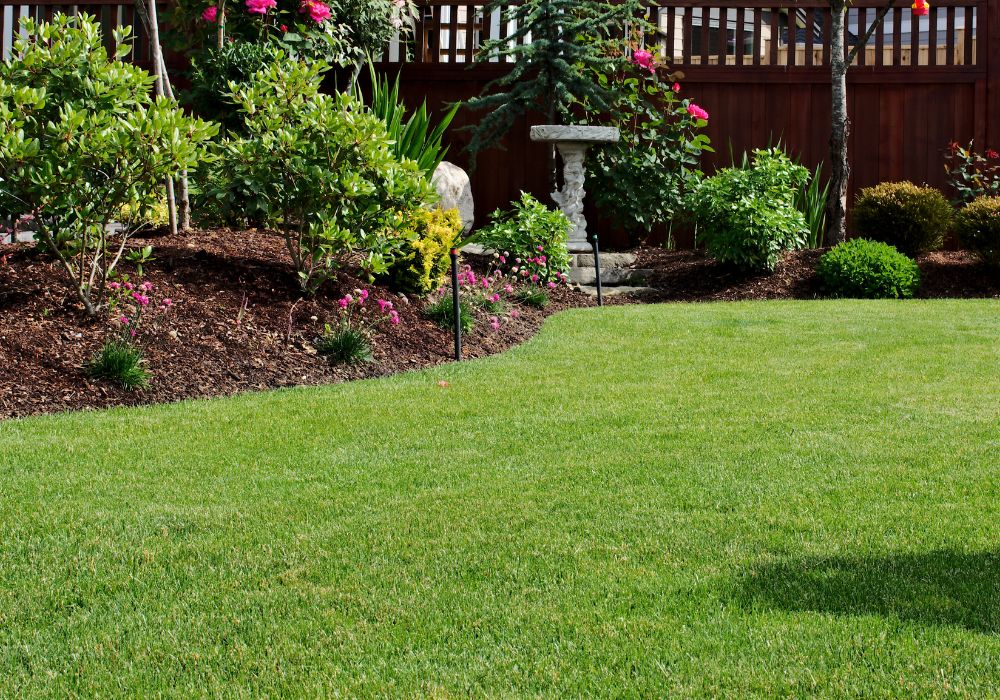
Designing a landscape that looks beautiful year-round while remaining low-maintenance often starts with choosing the right plants. In Northern Virginia, where the climate features hot summers, cold winters, and varied soil conditions, native plants are among the most reliable options for creating a sustainable, resilient landscape.
Native plants are naturally suited to the local environment, so they generally need less water to thrive, require fewer fertilizers, and require minimal intervention once established. For homeowners looking to build a healthy, visually appealing yard, incorporating native species is both practical and environmentally responsible.
Why Choose Native Plants?
Native plants have gradually evolved to perform well in the area’s climate and soil conditions.As a result, they tend to be more resistant to pests, diseases, and weather fluctuations than non-native varieties.
Another advantage is their ability to support local ecosystems. Native plants supply both nourishment and habitat for pollinators such as bees, butterflies, and birds, helping maintain biodiversity in your yard.
Professionals like BLS Pro Landscaping often recommend native plant selections as part of landscape designs that prioritize sustainability, long-term health, and reduced maintenance.
Native Trees for Northern Virginia
Trees are a key element in any landscape, delivering shade, structure, and visual appeal. Several native trees perform exceptionally well in this region:
- White Oak: Known for its strength and longevity, this tree provides excellent shade and supports a wide range of wildlife.
- Red Maple: Valued for its vibrant fall color and adaptability to different soil types.
- Eastern Redbud: A smaller ornamental tree that produces striking pink-purple blossoms in early spring.
- Tulip Poplar: One of the tallest native trees in the region, it grows quickly and features distinctive tulip-shaped flowers.
These trees not only add visual appeal but also contribute to a healthier landscape overall. The team at BLS Pro Landscaping often incorporates native trees into designs to create balanced, long-lasting outdoor spaces.
Native Shrubs for Structure and Privacy
Shrubs help define spaces, provide privacy, and add texture to your landscape. Some well-suited native shrubs for Northern Virginia include:
- Virginia Sweetspire: Known for its attractive white flowers and vibrant fall foliage.
- Inkberry Holly: An evergreen shrub that offers year-round greenery and works well in hedges.
- Arrowwood Viburnum: Produces clusters of white flowers followed by dark berries that attract birds.
- Mountain Laurel: A shade-tolerant shrub with unique, star-shaped flowers.
These shrubs are relatively low-maintenance and adapt well to local soil and climate conditions.
Native Perennials and Flowers
Perennials add color and variety to your landscape while returning year after year. Native options are particularly beneficial because they are well-suited to the region’s seasonal changes.
- Black-Eyed Susan: A bright, cheerful flower that blooms in summer and attracts pollinators.
- Purple Coneflower (Echinacea): Known for its resilience and medicinal properties, as well as its ability to draw butterflies.
- Wild Columbine: A delicate plant that thrives in partial shade and produces unique red and yellow flowers.
- Goldenrod: Often misunderstood, this plant is an important late-season nectar source for pollinators.
When properly placed, these plants can create a colorful, dynamic landscape that requires less upkeep.
Native Grasses and Ground Covers
Ground covers and ornamental grasses play an important role in preventing erosion and filling in gaps within a landscape.
- Little Bluestem: A native grass that adds texture and seasonal color, especially in fall.
- Switchgrass: A hardy grass that tolerates a range of soil conditions and provides vertical interest.
- Virginia Creeper: A fast-growing ground cover that helps control erosion and adds visual appeal.
These plants are particularly useful for slopes or areas where soil stability is a concern.
Benefits of Incorporating Native Plants
Choosing native plants offers several long-term advantages:
- Reduced need for watering once established
- Lower maintenance and fertilizer requirements
- Improved resistance to local pests and diseases
- Better support for pollinators and wildlife
- Increased resilience to seasonal weather changes
For homeowners who want a landscape that is both attractive and practical, native plants are an excellent investment.
The team at BLS Pro Landscaping often integrates native plant selections into their landscaping projects to help clients achieve sustainable results that align with the natural environment of Northern Virginia.
Final Thoughts
Native plants are a smart choice for anyone looking to create a landscape that thrives in Northern Virginia’s unique climate. From sturdy trees and adaptable shrubs to colorful perennials and functional ground covers, these plants provide beauty, durability, and environmental benefits all in one.
Working with knowledgeable experts such as BLS Pro Landscaping helps make sure your plant selections fit your landscape’s needs and overall vision. Their expertise in local landscaping allows them to recommend native plants that not only enhance your outdoor space but also contribute to a healthier, more sustainable landscape over time.