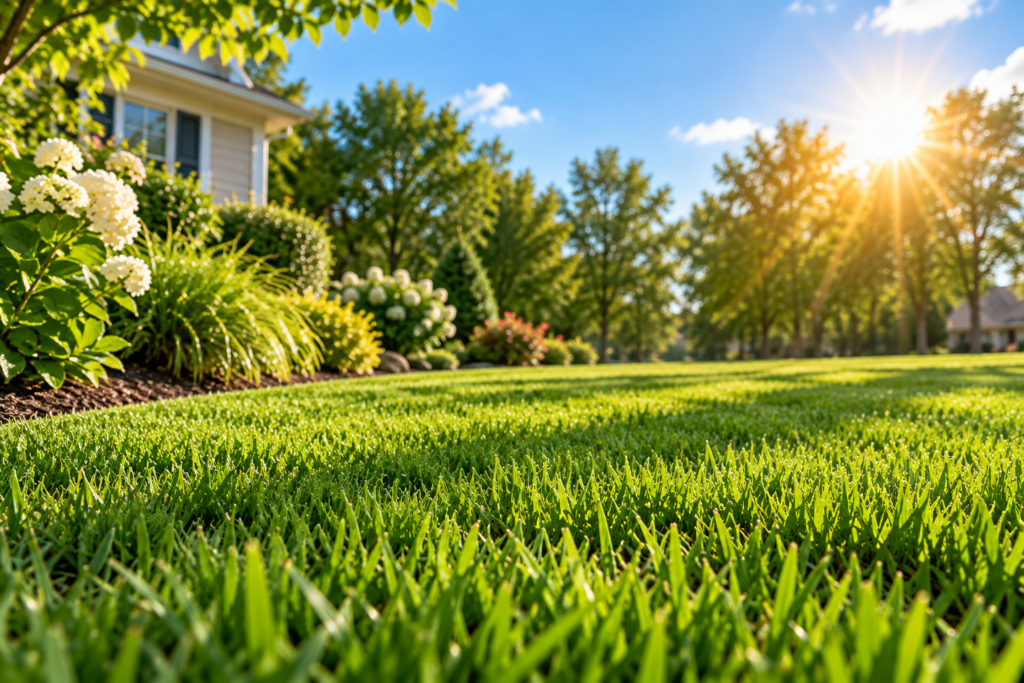
A well-maintained yard is often defined by the small details that bring everything together. While mowing is essential for keeping grass at a manageable height, edging and trimming are the finishing touches that truly elevate your landscape’s overall look. These techniques create clean lines, improve definition, and give your outdoor space a polished, professional appearance.
Homeowners often focus on larger landscaping tasks, but edging and trimming play a crucial role in shaping how a yard is perceived. When done correctly and consistently, they can make even a simple lawn look neatly maintained and visually appealing.
What Is Lawn Edging?
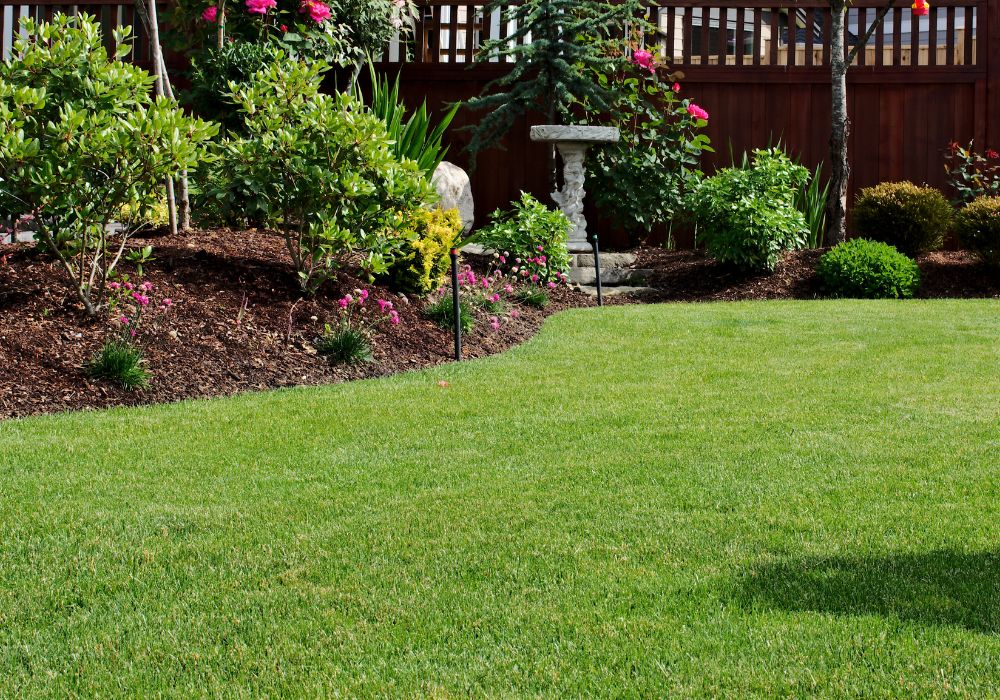
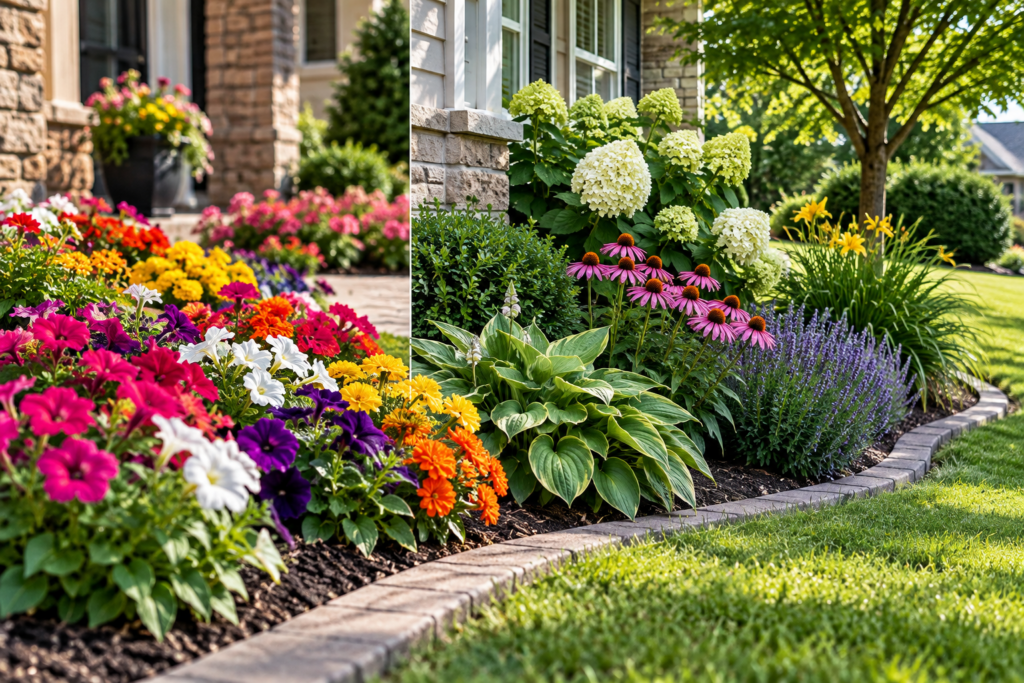
Edging refers to creating a clear boundary between your lawn and other areas such as sidewalks, driveways, flower beds, or walkways. This process can be carried out with manual tools or machinery designed to form a distinct boundary between grass and adjacent areas.
The purpose of edging is not just aesthetic; it also limits grass growth from extending into surrounding unwanted spaces.
Over time, grass naturally creeps outward, blurring the edges of your landscape. Regular edging keeps these lines sharp and well-defined.
Professionals like BLS Pro Landscaping often include edging as part of routine landscaping maintenance to ensure properties maintain a clean, well-structured appearance.
What Is Trimming?
Trimming involves cutting grass and vegetation in areas that a lawn mower cannot easily reach. This includes spaces around trees, fences, garden beds, and other obstacles.
While mowing covers large open areas, trimming focuses on the details. Without trimming, these hard-to-reach spots can quickly become overgrown, making the yard appear uneven or neglected.
Trimming helps maintain consistency across the entire lawn, ensuring that no areas are left unmaintained. When combined with mowing and edging, it contributes to a cohesive and well-groomed landscape.
Why Edging and Trimming Matter
Edging and trimming may seem like minor tasks, but they significantly impact your yard’s overall appearance. Clean edges create visual separation between different elements of your landscape, while trimming ensures that every part of your lawn is evenly maintained.
Together, they help create a sense of order and precision. Without these finishing touches, even a freshly mowed lawn can appear unfinished or uneven.
Landscaping teams like BLS Pro Landscaping emphasize these details because they contribute to a more refined and professional-looking result.
Enhancing Curb Appeal
Curb appeal plays an important role in how your home is perceived. A yard with clean edges and properly trimmed areas immediately looks more inviting and well-cared-for.
Edging along driveways, walkways, and garden beds creates crisp lines that guide the eye and highlight the structure of your landscape. Trimming ensures that grass and plants remain contained and visually balanced.
These small improvements can make a noticeable difference, especially when preparing your home for visitors or potential buyers. A neatly maintained yard often leaves a strong first impression.
Preventing Overgrowth and Maintenance Issues
Beyond appearance, edging and trimming also help manage plant growth. Without regular attention, grass can spread into flower beds, weeds can take hold along borders, and vegetation can become overgrown in tight spaces.
By maintaining clear boundaries and regularly trimming excess growth, you reduce the likelihood of these issues developing. This makes overall lawn care easier and helps maintain a healthier landscape.
BLS Pro Landscaping often incorporates edging and trimming into its maintenance plans to keep landscapes organized and prevent overgrowth from becoming a recurring problem.
How Often Should Edging and Trimming Be Done?
The frequency of edging and trimming depends on how quickly your lawn grows and how detailed you want your landscape to look. In general, these tasks are performed alongside regular mowing, often weekly or biweekly during the growing season.
Consistent maintenance ensures that edges remain sharp and trimmed areas stay under control. Neglecting these tasks for too long can result in more time-consuming corrections later.
Tools and Techniques
Edging can be done using manual edging tools, string trimmers, or dedicated edging machines, depending on the level of precision required. Trimming is typically performed with a string trimmer to reach tight spaces and uneven areas.
Professional landscapers use specialized equipment and techniques to achieve clean, consistent results. Their experience allows them to maintain uniform lines and avoid damaging surrounding surfaces such as pavement or plant beds.
Final Thoughts
Edging and trimming are essential components of a well-maintained landscape. While they may seem like minor details, they significantly enhance your yard’s overall appearance by creating structure, improving cleanliness, and highlighting key features of your outdoor space.
When combined with regular mowing and proper lawn care, these techniques help create a polished, cohesive look that stands out. Working with experienced professionals like BLS Pro Landscaping ensures that edging and trimming are performed consistently and correctly, contributing to a yard that looks neat, balanced, and professionally maintained throughout the season.